
Category: medical travel
Japan travel with allergies: why you need a medical card in Japanese
Posted on November 6, 2026
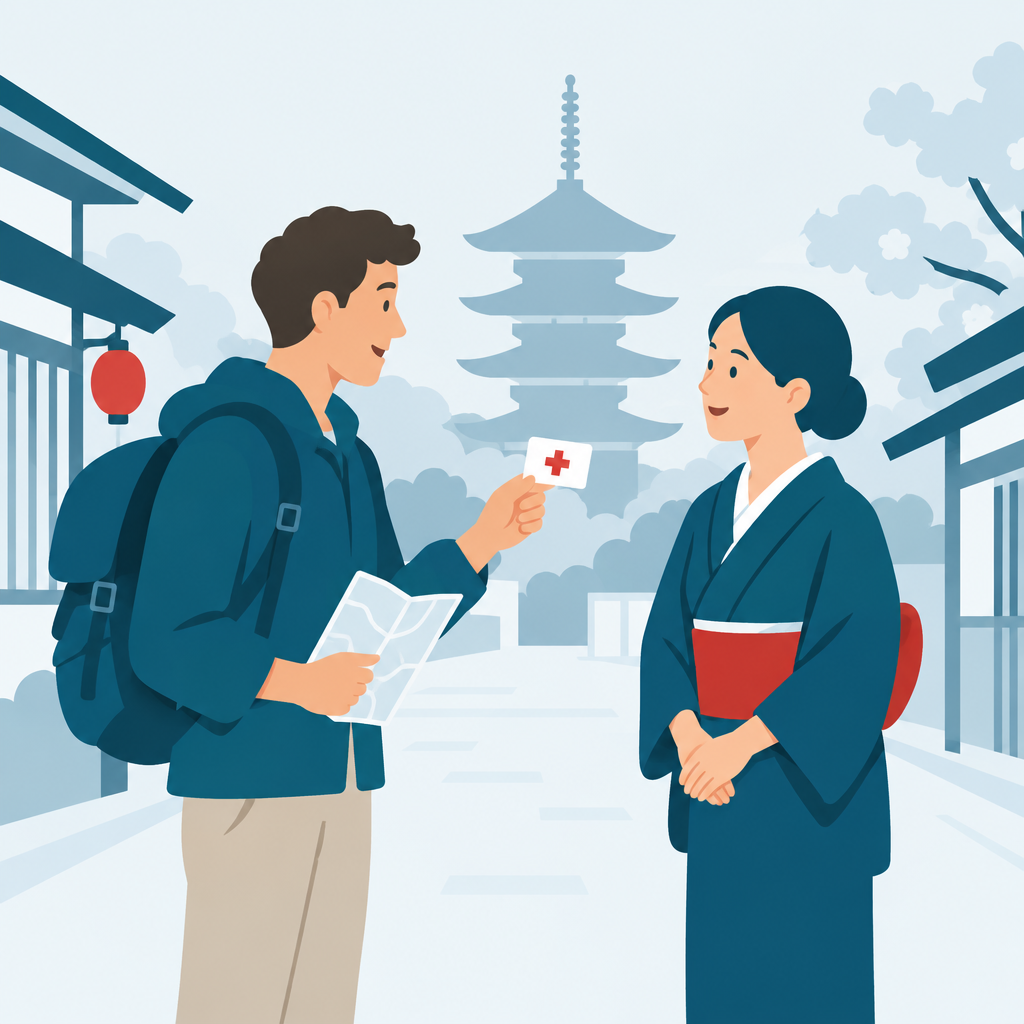
Japan is welcoming and organised, but English support fades quickly outside major hotels and stations. A Japanese card bridges the gap.
English is not guaranteed
In Tokyo, Kyoto and Osaka, many hotels and restaurants have English menus. Step into a neighbourhood pharmacy, a rural clinic, or a small restaurant and the picture changes. Staff are eager to help, but they may not understand the difference between a mild intolerance and a life-threatening allergy.
A card in Japanese removes the burden of explanation. It also shows that you have thought ahead, which reassures staff and gets you faster help.
Reading labels and menus is hard
Japanese packaging lists allergens in specific ways, but the lists are in Japanese. Menus rarely list every ingredient, and common allergens such as sesame, soy, buckwheat and crustaceans appear in sauces, broths and seasonings you might not expect.
Your Vitaglot card names your allergens in Japanese and explains them clearly. For food allergies, the Restaurant Card also lists hidden sources in local dishes.
The emergency number in Japan is 119
Japan's emergency number for ambulance and fire is 119. Operators are trained, but English-speaking support is not universal. Your card prints 119 in large text, along with your conditions and medications, so anyone nearby can call and hand the card to paramedics.
Prepare your Japanese medical card
Add Japan as a destination and Vitaglot builds a Medical Emergency Card and, if needed, a Restaurant Card in Japanese. Each card carries your information, the emergency number and international medical codes that Japanese clinicians can verify.
Ready to build your travel card?
Enter your medical information once and get professional cards in every language you need for your trip.