
How to use your Restaurant Card when you eat out abroad
To eat safely with a food allergy abroad, give your Vitaglot Restaurant Card to the host or waiter before you order, so the kitchen reads your allergy in its own language.
Updated 19 November 2026
Steps
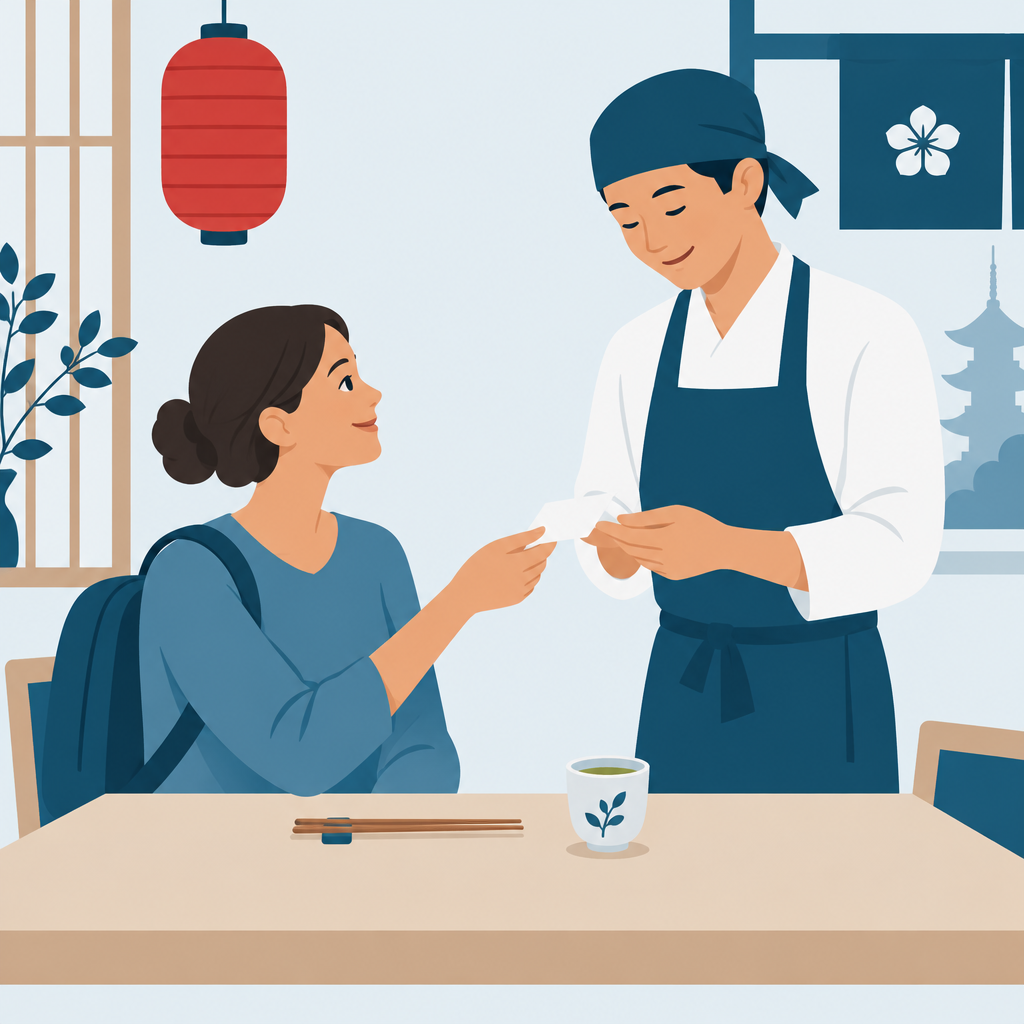
- Hand over the card first. Give the Restaurant Card to the host or waiter when you sit down, before you look at the menu.
- Let the kitchen read the front. The front is a clear message for kitchen staff about your allergy, in the language of the country.
- Use the back to check dishes. The back lists where your allergen hides in local dishes and has Yes, No and Not sure buttons staff can point to.
- Ask again when the food arrives. Show the card to whoever brings the dish and ask them to confirm it with the kitchen.
- Keep your medication with you. Carry your prescribed rescue medication, such as an adrenaline pen, at the table.
When should I show the card?
Show it before you order, not when the dish arrives. Staff then choose dishes with the kitchen in mind, and you do not have to explain an allergy in a language you do not speak.
What does the Restaurant Card say?
The Restaurant Card is made for food allergies. It gives kitchen staff a clear message, shows hidden sources of your allergen in local dishes, and gives them a reply they can point to.
It is printed in the language of the country you are visiting, and you add your destinations when you create it, so the card languages are chosen for you.
What are the limits?
A card helps people understand you. It does not guarantee that a kitchen can avoid your allergen, and it does not replace your medication, your doctor's advice or the local emergency number. If a restaurant is unsure, choose another one.
How to use your Medical Emergency Card at a doctor or pharmacy abroad · How your card helps in a medical emergency abroad · Create your card